

Main
News
OshSU Scientists Hold Scientific and Industrial Seminars in Naryn
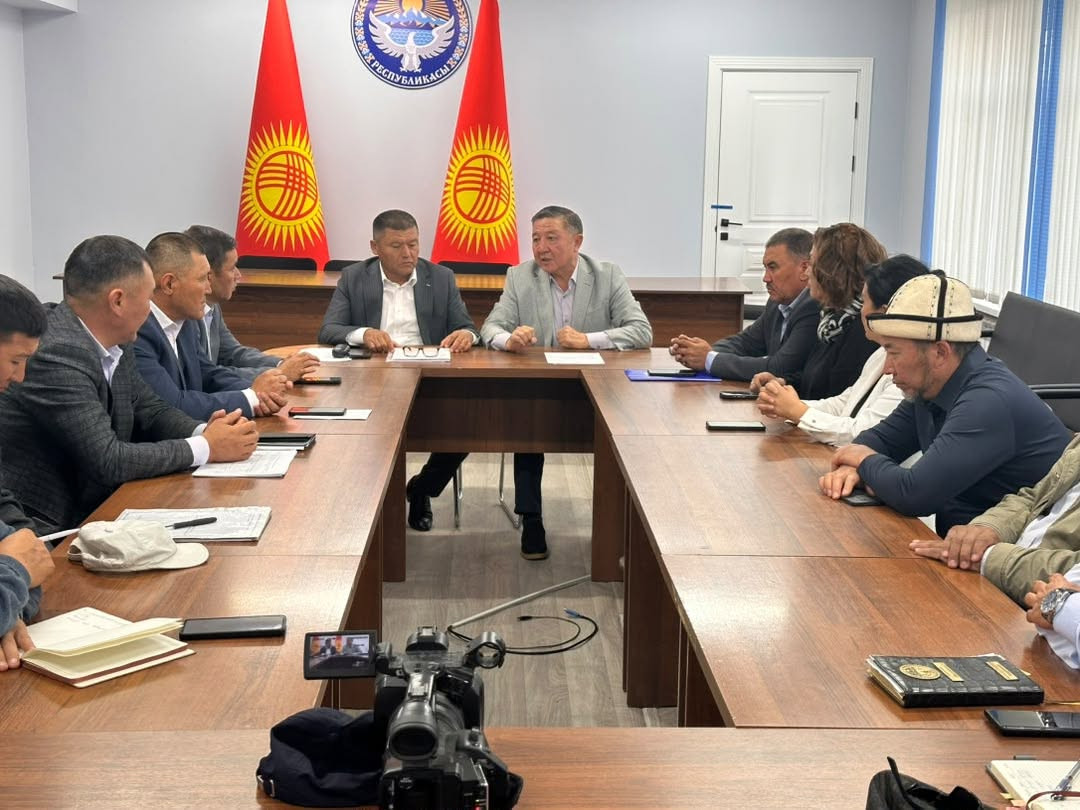
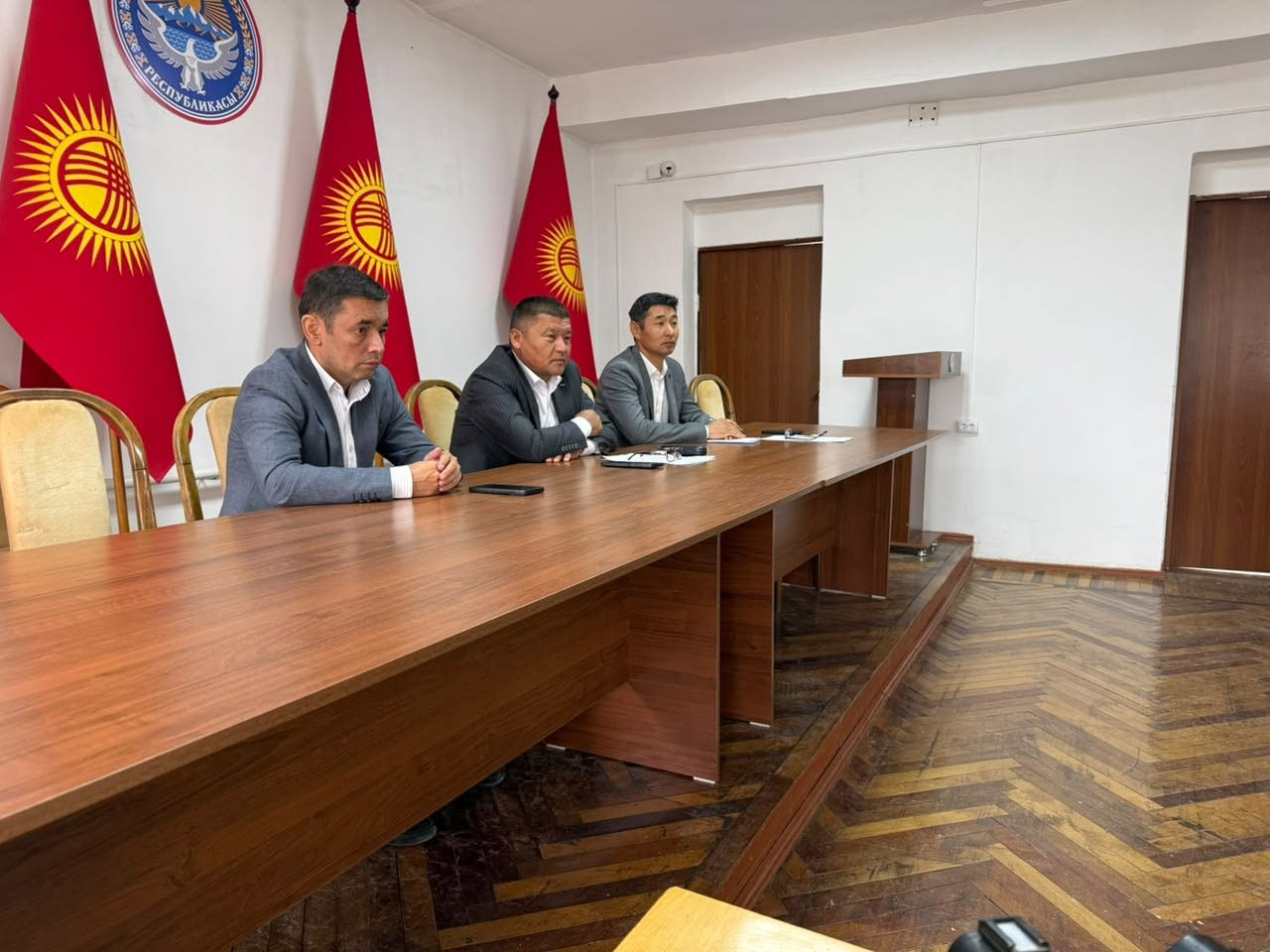
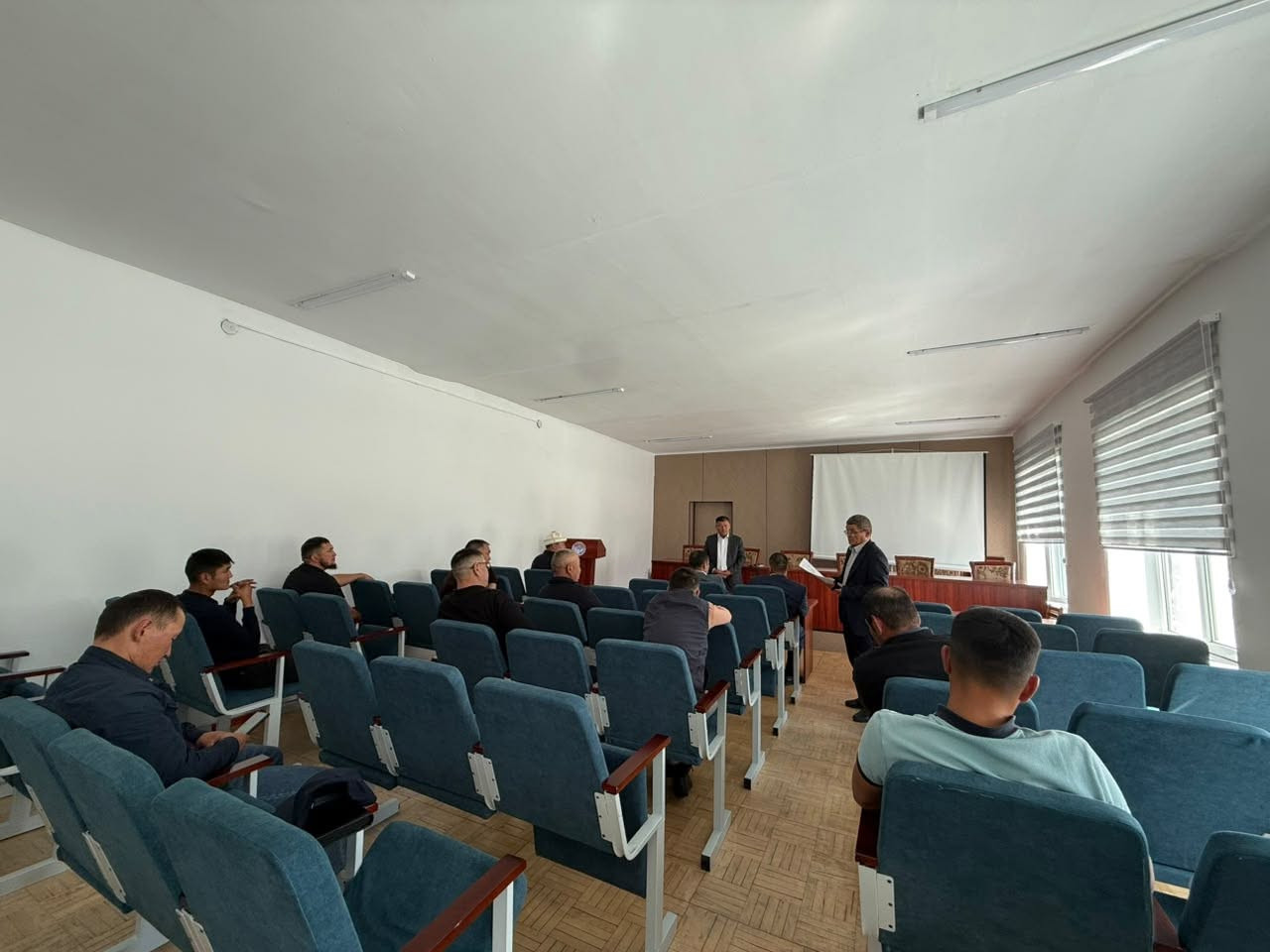
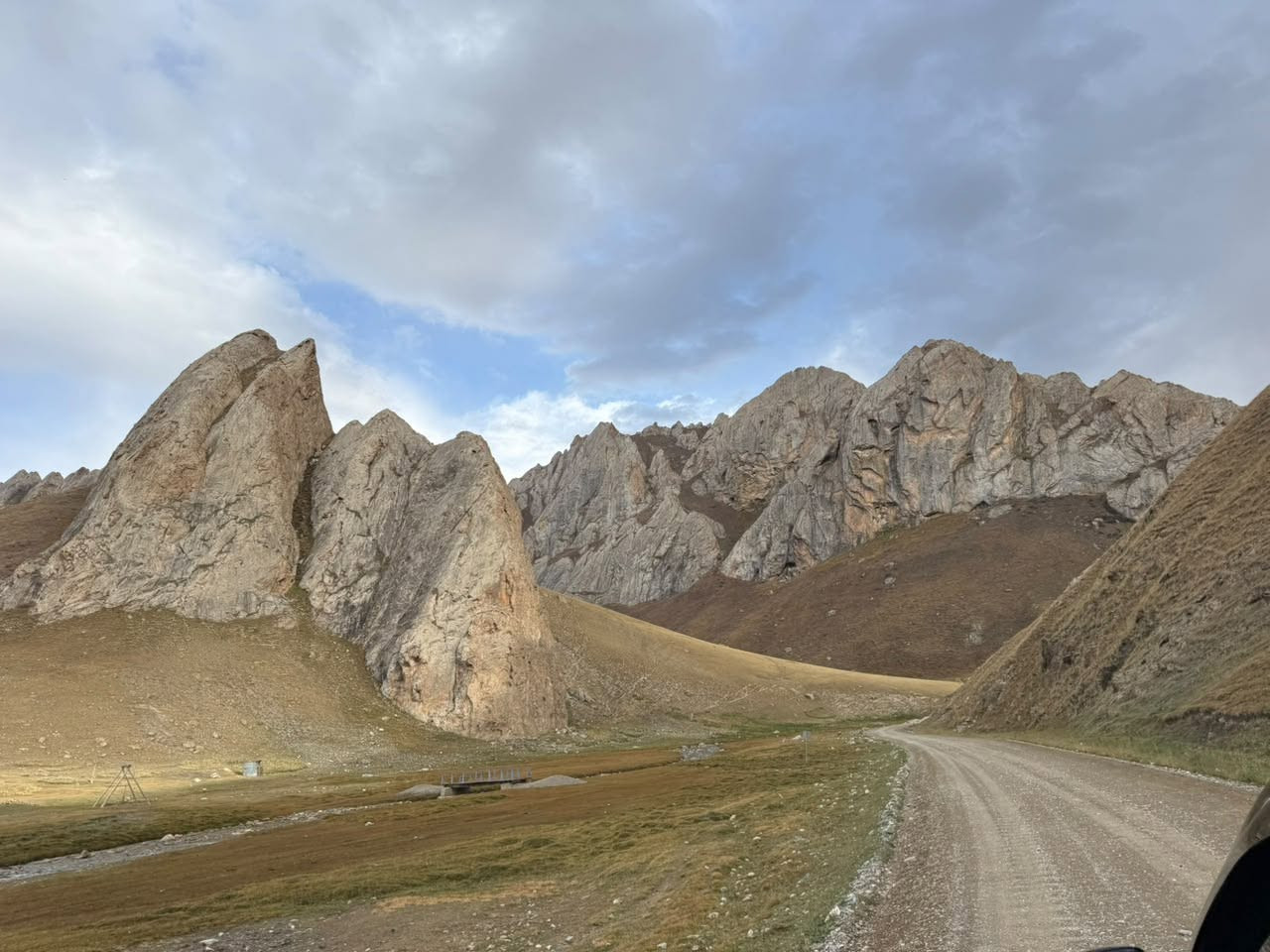
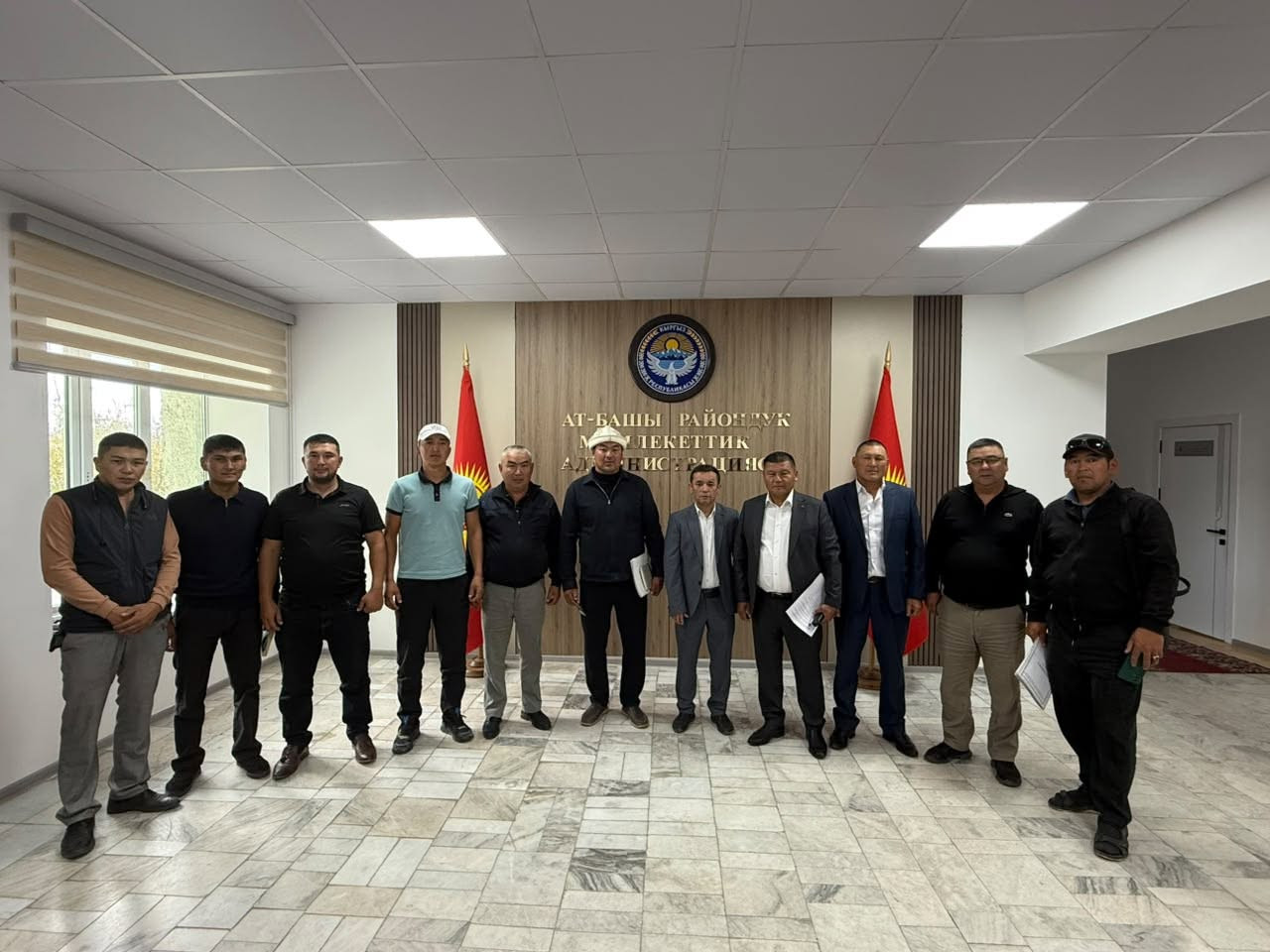
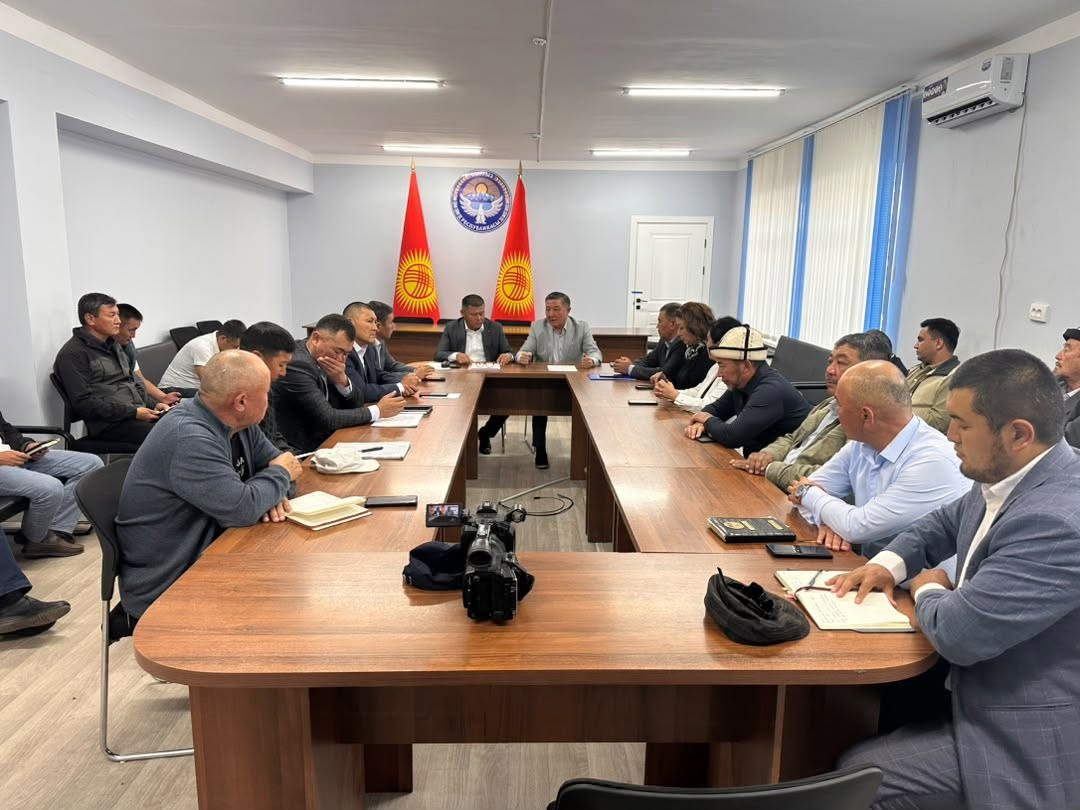
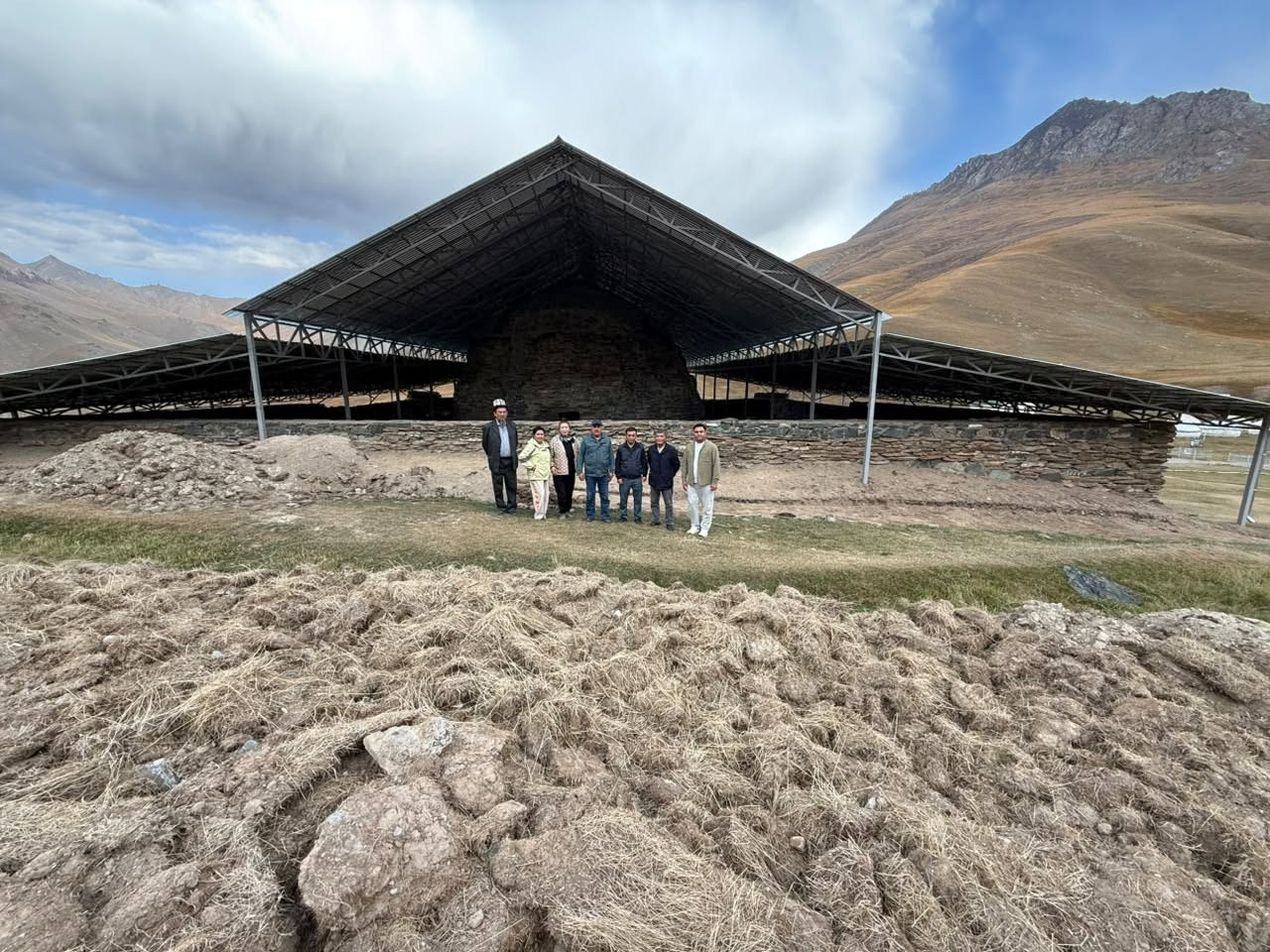
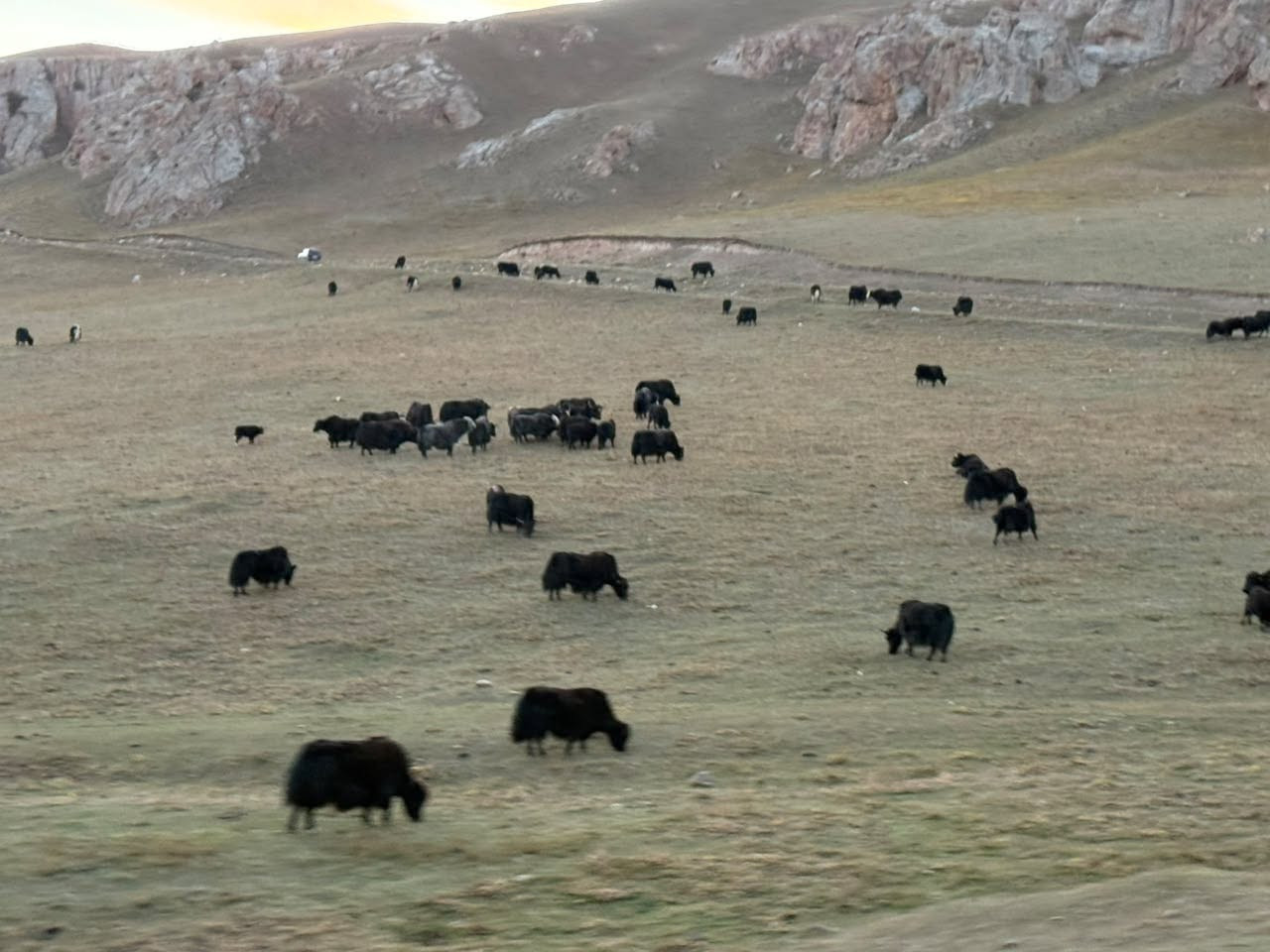
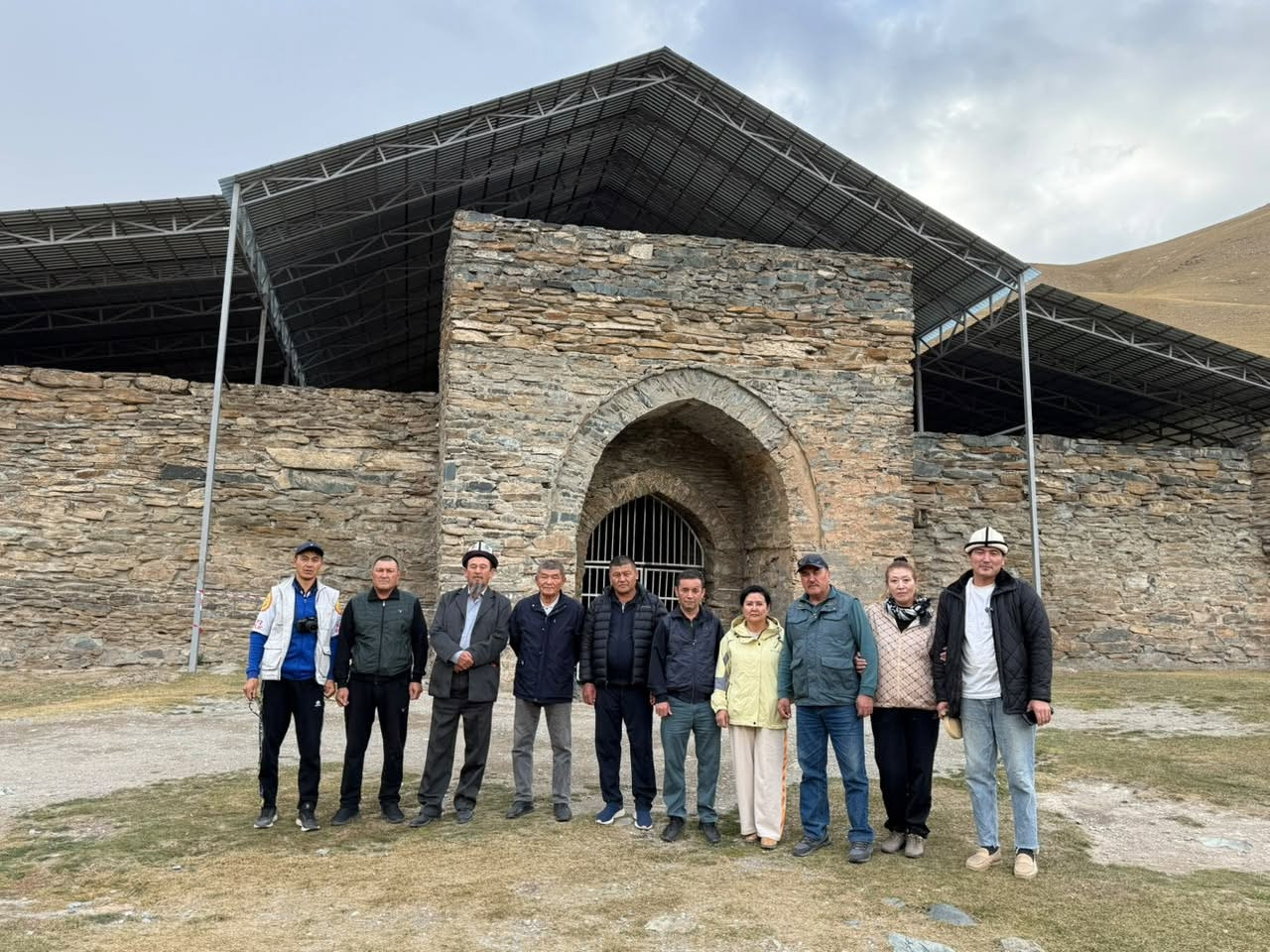
From September 20 to 24, scientists from Osh State University held scientific and industrial seminars in several districts of Naryn Region.
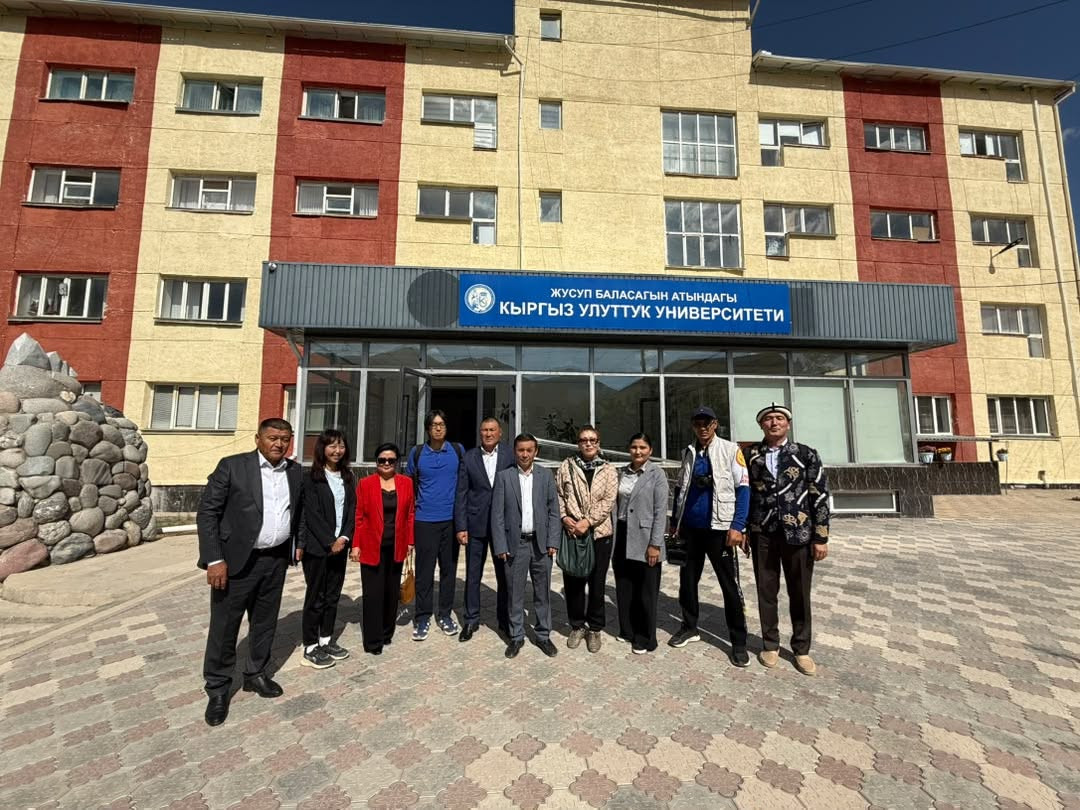
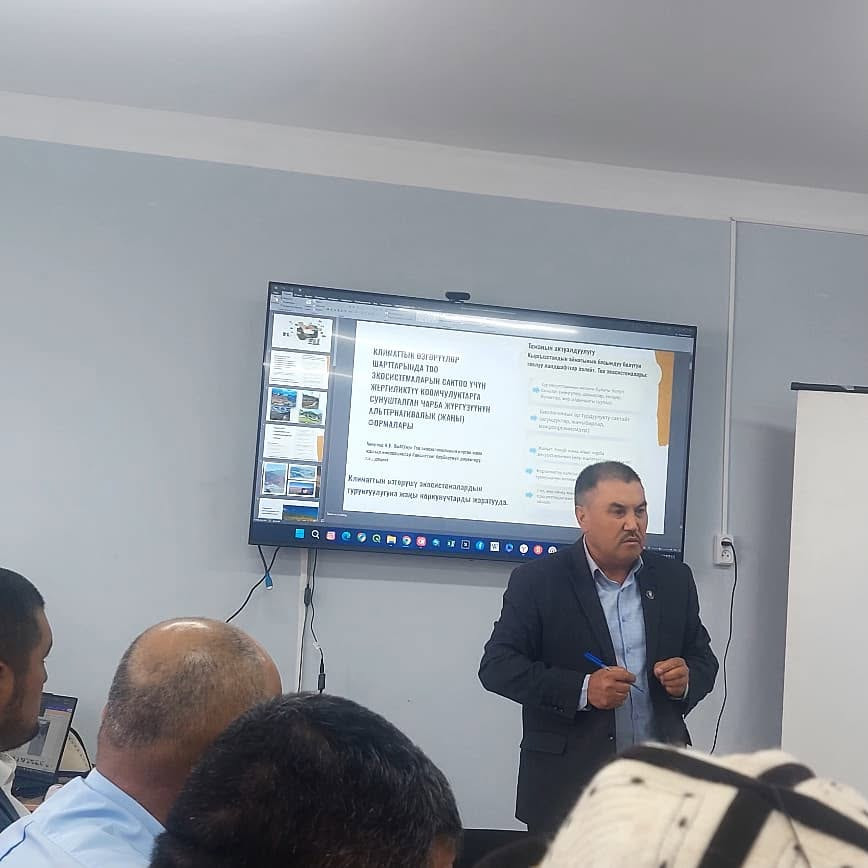
The seminars, titled “Challenges of Ensuring Food Security in Kyrgyzstan and Preserving Mountain Ecosystems amid Climate Change,” were held in Kochkor, Naryn, At-Bashy and At-Talaa districts, as well as at the S. Naamatov Naryn Regional Multidisciplinary Institute of Kyrgyz National University named after Jusup Balasagyn.
The main objectives of the meetings were to strengthen the connection between science and production, discuss current regional issues from a scientific and practical perspective, and explore opportunities to apply research findings in practice. The seminars were organized within the framework of the following projects:
- “Food Security” — project leader, Associate Professor Elmurat Obdunov;
- “Innovative Nursery” — project leader, Associate Professor Abdiжapar Akkulov;
- “Introduction of Pavlovnia Varieties into the OshSU Botanical Garden and Study of Their Biological, Ecological and Economic Characteristics” — project leader, Venera Ermatova;
- “Study of the Geodetic and Geodynamic Conditions for the Creation of Artificial Glaciers in the Southern Region of the Kyrgyz Republic” — project leader, Associate Professor Dinara Abzhaparova;
- “Restoration of Landslide-Degraded Soils: Forest Reclamation and Bioremediation to Preserve Mountain Ecosystems under Climate Change,” funded by the Ministry of Science, Higher Education and Innovation and implemented by the Mountain EcoConsulting Center — project leader, Abdiжapar Akkulov.
The seminars addressed the impact of climate change on mountainous countries such as Kyrgyzstan, the state of the environment, degradation of air, water and land resources, conservation of flora and fauna, food security, and climate migration. Presentations were also given on the geography of the mining industry, glacier studies, geodetic issues in interregional road construction, and other relevant scientific areas.
Representatives of the National University of Uzbekistan in Tashkent, Professor Mirali Mirkamalov and Associate Professor Mukhriddin Maksud uulu, also participated in the sessions and shared information on modern methods used in geographical research. Participants exchanged views on expanding scientific ties among Central Asian countries and strengthening joint research.
During the practical sessions, Melisbek Turgunbaev, a geography teacher at Secondary School No. 35 named after J. Atabaev in Osh, and experienced gardener Zharmat Chonoev spoke about the importance of practical activities and experience sharing in developing environmental awareness. Participants asked questions and made suggestions on combining scientific and theoretical knowledge with practical experience.
The sessions were financed through the university’s incentive grants and organized within the framework of scientific projects supported by the Ministry of Science, Higher Education and Innovation. The participants emphasized the importance of strengthening the link between science and production, introducing scientific achievements into practice in the regions, and expanding experience sharing. They noted that regularly holding such seminars, roundtables and meetings in the regions would contribute to the development of scientific cooperation.
Photogallery

Main Campus of OshSU, 331 Alymbek datka Street, Osh City, Kyrgyzstan. General Division: +996 3222 7-07-12, fax: +996 3222 7-09-15, edu@oshsu.kg
OshSU Admissions Committee: +996 3222 7-08-18, priem@oshsu.kgColleges
- International Education Programs
- Medical College
- Finance and Law
- Uzgen International Medicine
- STEM Innovation
- Industrial and Pedagogical
- College of Agriculture
- Construction College
Schools
- "Arashan" Humanitarian School
- Institute of Oriental Studies
- Institute of Mathematics, Physics, Engineering and Information Technologies
- Institute of Economy, Business and Management
- Institute of Philology and Intercultural Communication
- Institute of History and Law
- Institute of Pedagogy, Art and Journalism
- Institute of Natural Sciences, Physical Education, Tourism and Agrarian Technologies
- Institute of Nanotechnology and Artificial Intelligence
Lyceums and gymnasiums
Offices
- Administrative- household supporting office
- Business Park at Osh State University
- International Relations Department
- Department of Academic Affairs and Strategic Planning for Educational Policy Development
Centers
- Cultural and Aesthetic Center named after R. Adikadyrov
- Foundation of R.Abdykadyrov
- Public Relations Center
- Internship and Career Center
- OshSU Center for Qualification Improvement
- Next Generation Hub Center
- Congress Resort OshSu Center
- Natural Resources Center
- Mountain Ecosystem Protection and Green Innovations Consulting Center
- Center for Scientific Research and Innovation