
Main
News
OSHSU: First artichoke supplement in the country
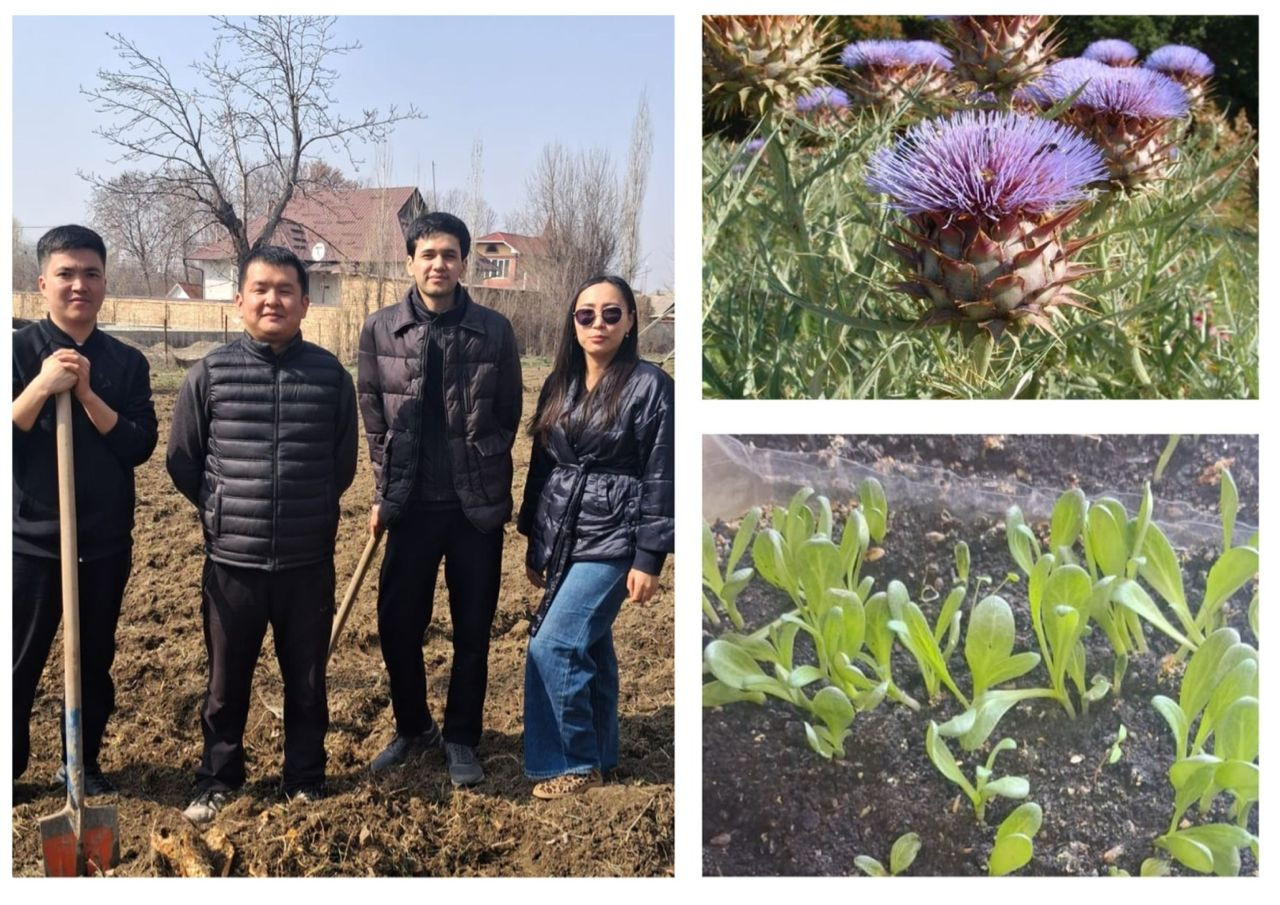
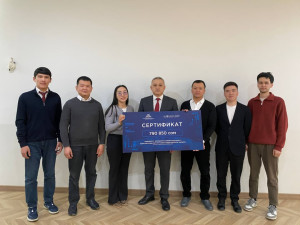
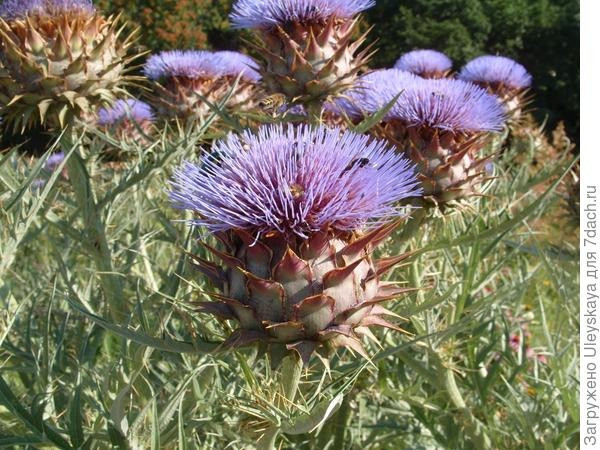
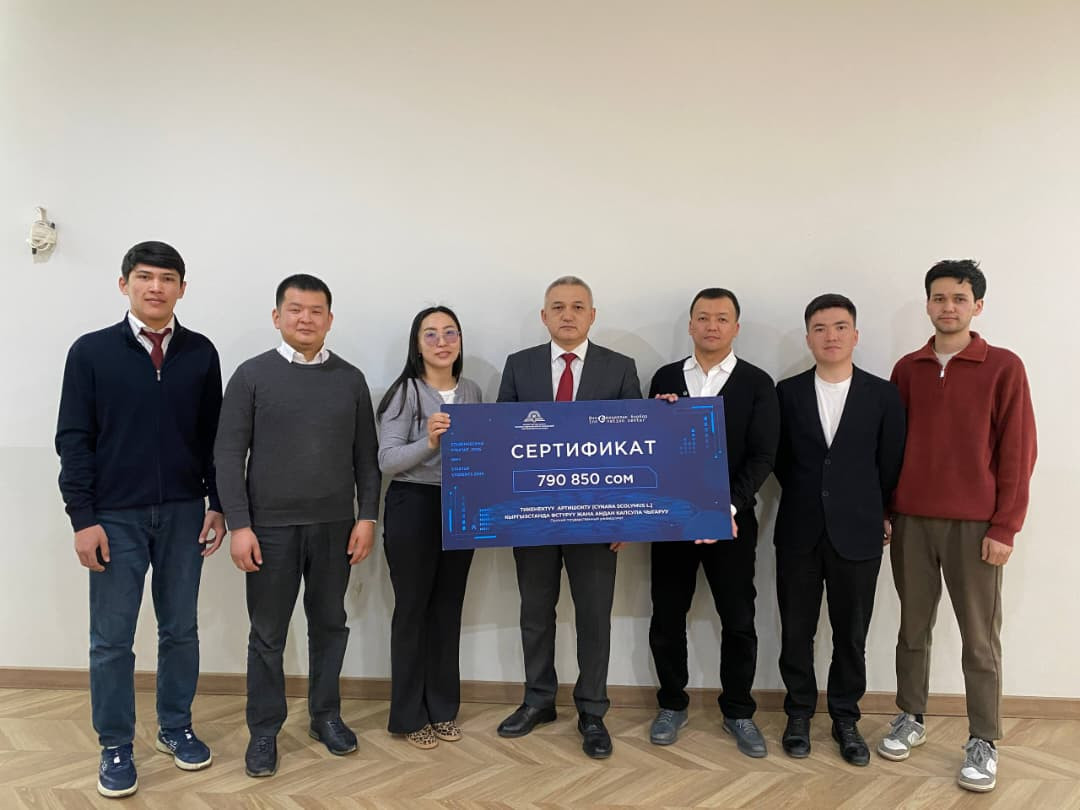
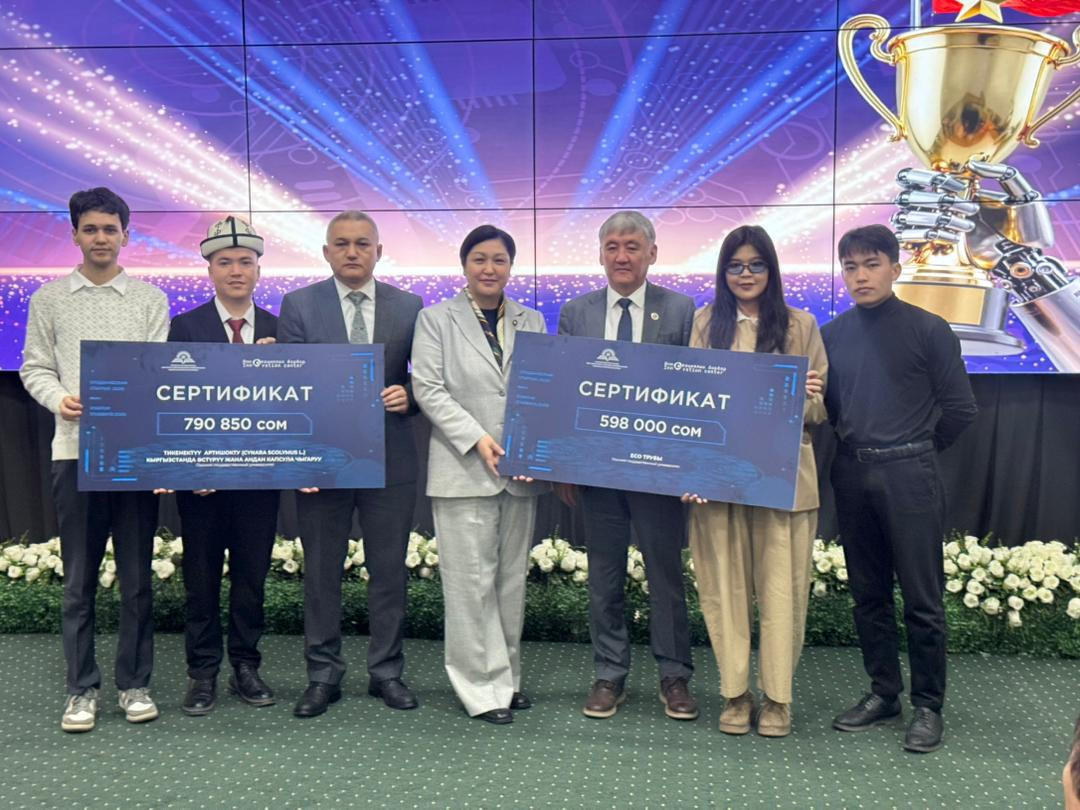
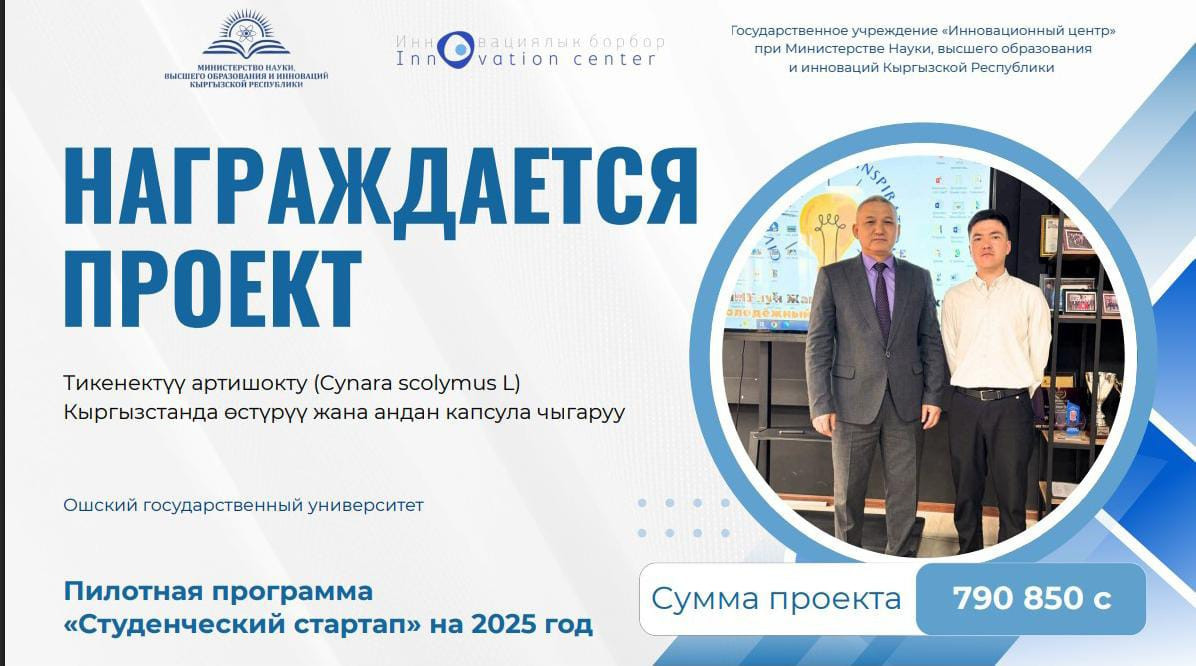
A startup project aimed at cultivating prickly artichoke and producing a biologically active supplement (BAS) from it has been developed at Osh State University. The project won the republican competition “Student Startup – 2025” and received a grant of 790,850 soms.
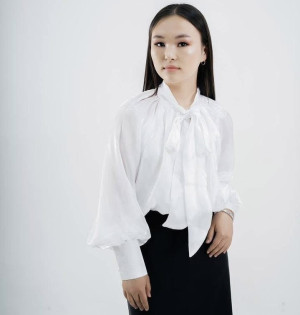
How did the idea emerge? What are the benefits of artichoke? Can it compete in the market? To find answers to these and other questions, we spoke with project member Nurseyit Satarov.
For reference: the project is being implemented by the Department of Organization of Pharmaceutical Practice and Pharmacognosy.
— First, could you introduce yourself in more detail?
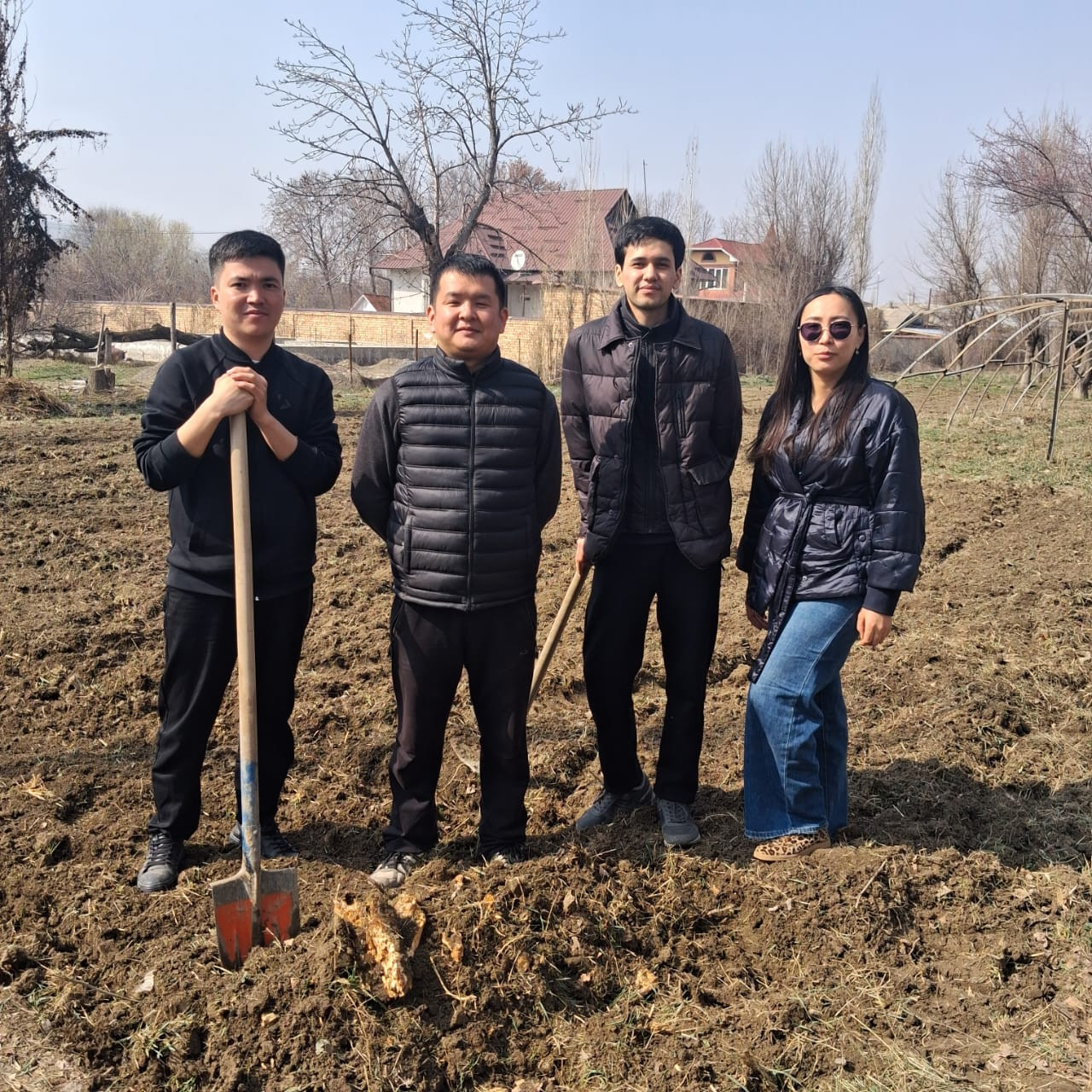
— I work as an assistant trainee at the Department of Organization of Pharmaceutical Practice and Pharmacognosy at the Faculty of Medicine of Osh State University. Since my student years, I have been interested in scientific research. In particular, folk medicine, natural products, and their benefits for the human body have always been of great interest to me. My interest in science started with participation in conferences. Later, I became involved in research and gradually had the opportunity to participate in startup projects. This artichoke project is the result of those efforts. We developed the startup project last year during my fifth year together with Ulugbek Moydinov, who was then a fourth-year student and production staff member, with the support of our teachers.
— How did the idea of working with the artichoke plant arise? Is it just a student idea, or does it have a solid scientific basis?
— This is not just an idea; it is a project based on scientific research. The scientific work of our department lecturer and the project’s production specialist, Symbat Chubakova, is related to the artichoke plant. However, under the guidance of the department head, we developed it into a business idea.
— What were the first difficulties in implementing the project?
— The main challenge was the common belief that this plant does not grow in our climate. Therefore, we first had to prove it both theoretically and practically. Finding seeds, adapting them to the climate, and creating suitable agrotechnical conditions were key steps. In addition, writing the startup project, finding funding, and passing through the competition stages were also a significant experience.
— How did the participation in the competition go?
— We received information through the university’s Business Park and prepared and submitted the necessary documents. In the first round, the idea was evaluated. In the second round, we defended the project online. In the third round, we reached the final and ultimately became winners of the republican competition “Student Startup – 2025.” A total of 72 projects participated, and only 14 advanced to the final. It was a great honor for us that two projects from Osh State University became winners.
— What did winning the grant change for you?
— It gave us a great opportunity. The grant of 790,850 soms is a sign of confidence in our idea. Now, with these funds, we are purchasing the necessary technical equipment and preparing to launch the production process.
— Could you elaborate on the medical properties of artichoke? Why was this particular plant chosen?
— Artichoke is widely used in global medicine. It is effective in cleansing the liver, improving metabolism, and removing toxins from the body. In our case, it is offered as a dietary supplement (BAS). In Kyrgyzstan, such products are mostly imported from abroad. Our goal is to produce a product of the same quality, but locally made and more affordable.
— What distinguishes this project from others?
— This plant is being cultivated in Kyrgyzstan for the first time. As mentioned earlier, most biologically active supplements (BAS) are imported. Therefore, this project is among the first to grow the plant locally in Kyrgyzstan and produce a final product in capsule form.
— How does the plant cultivation process work?
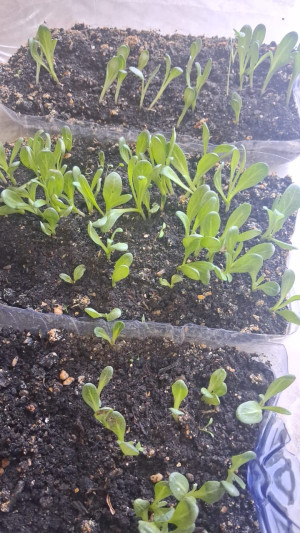
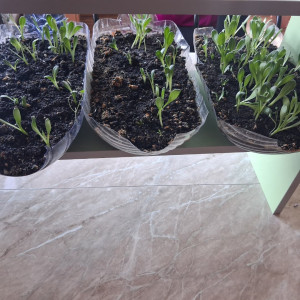
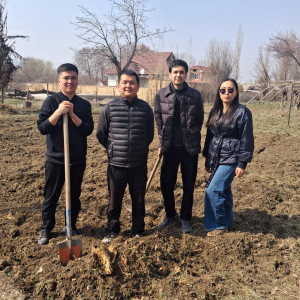
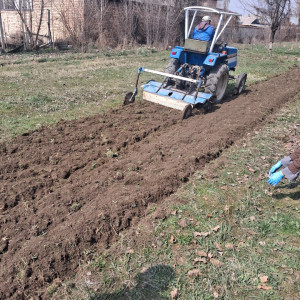
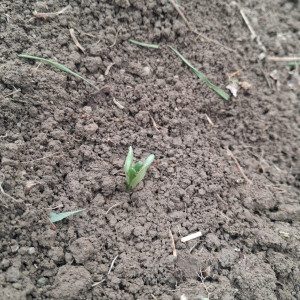
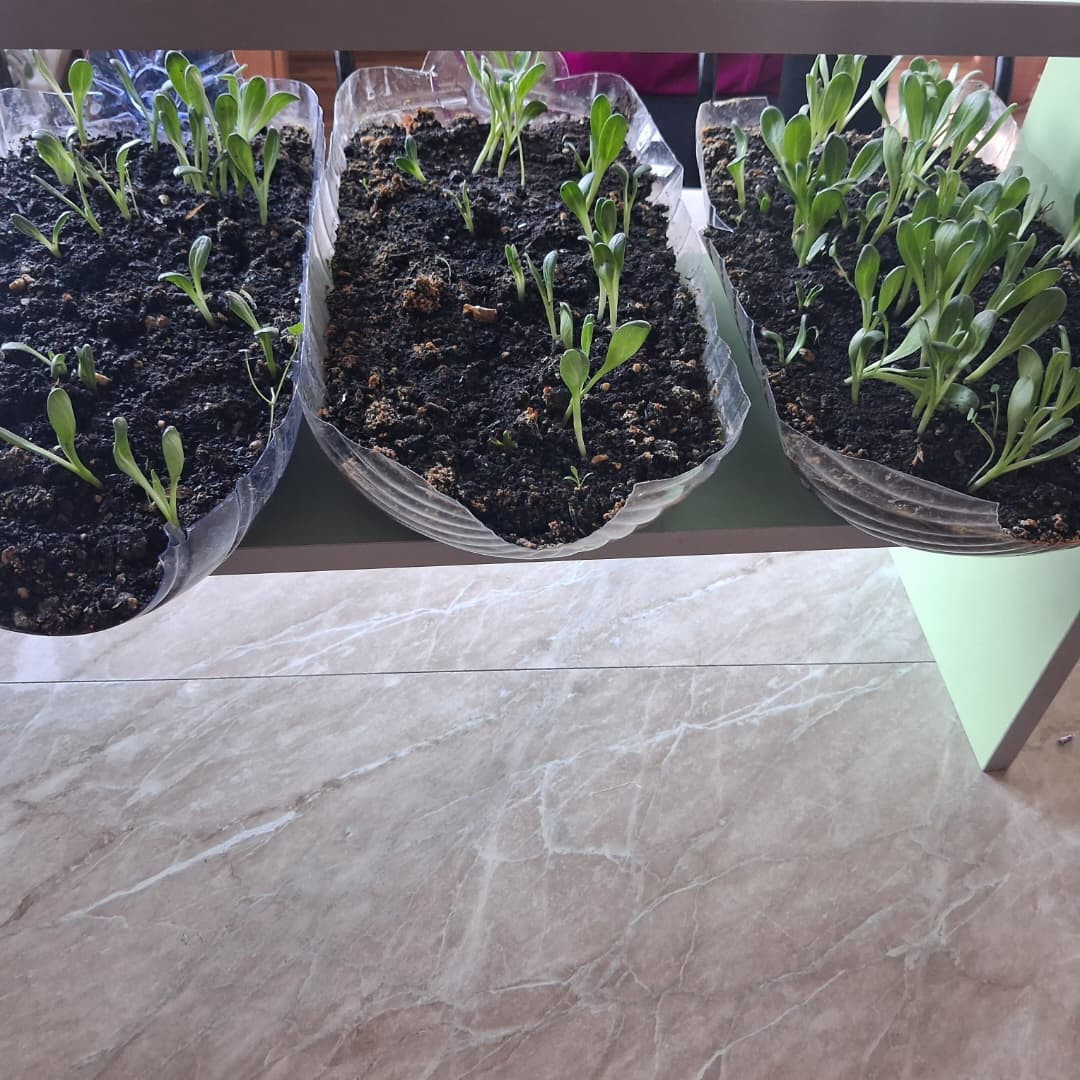
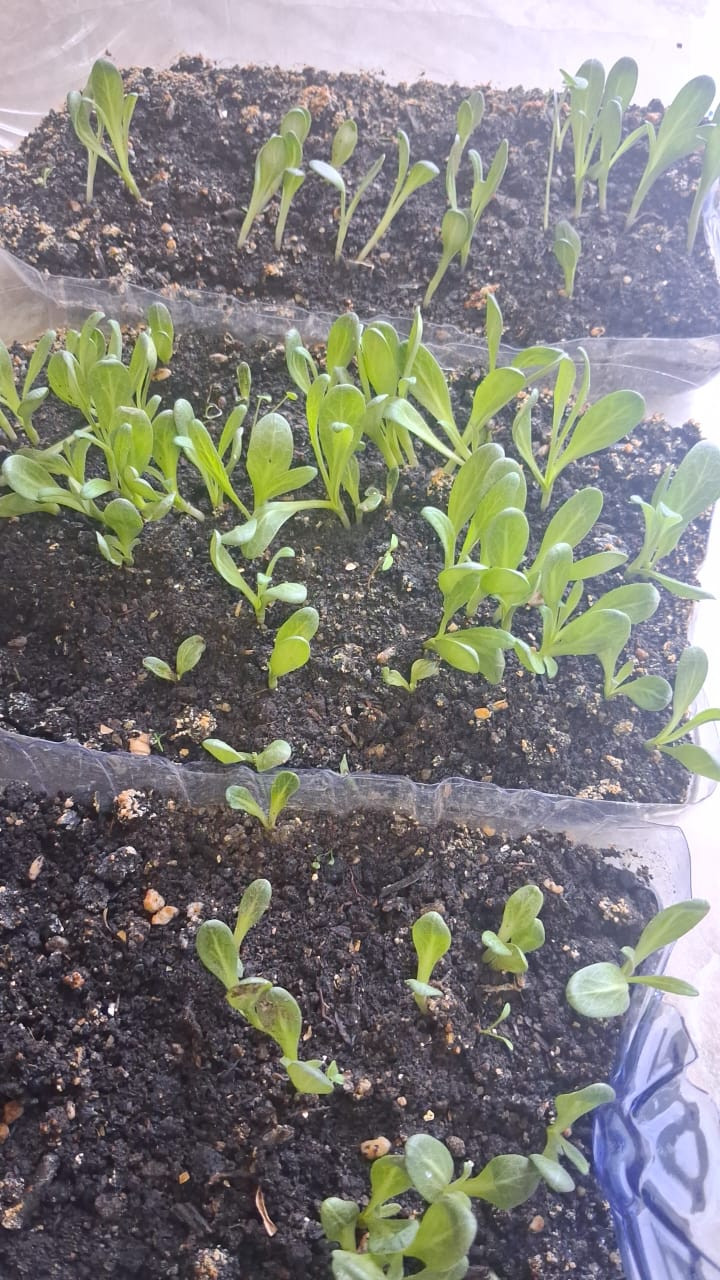
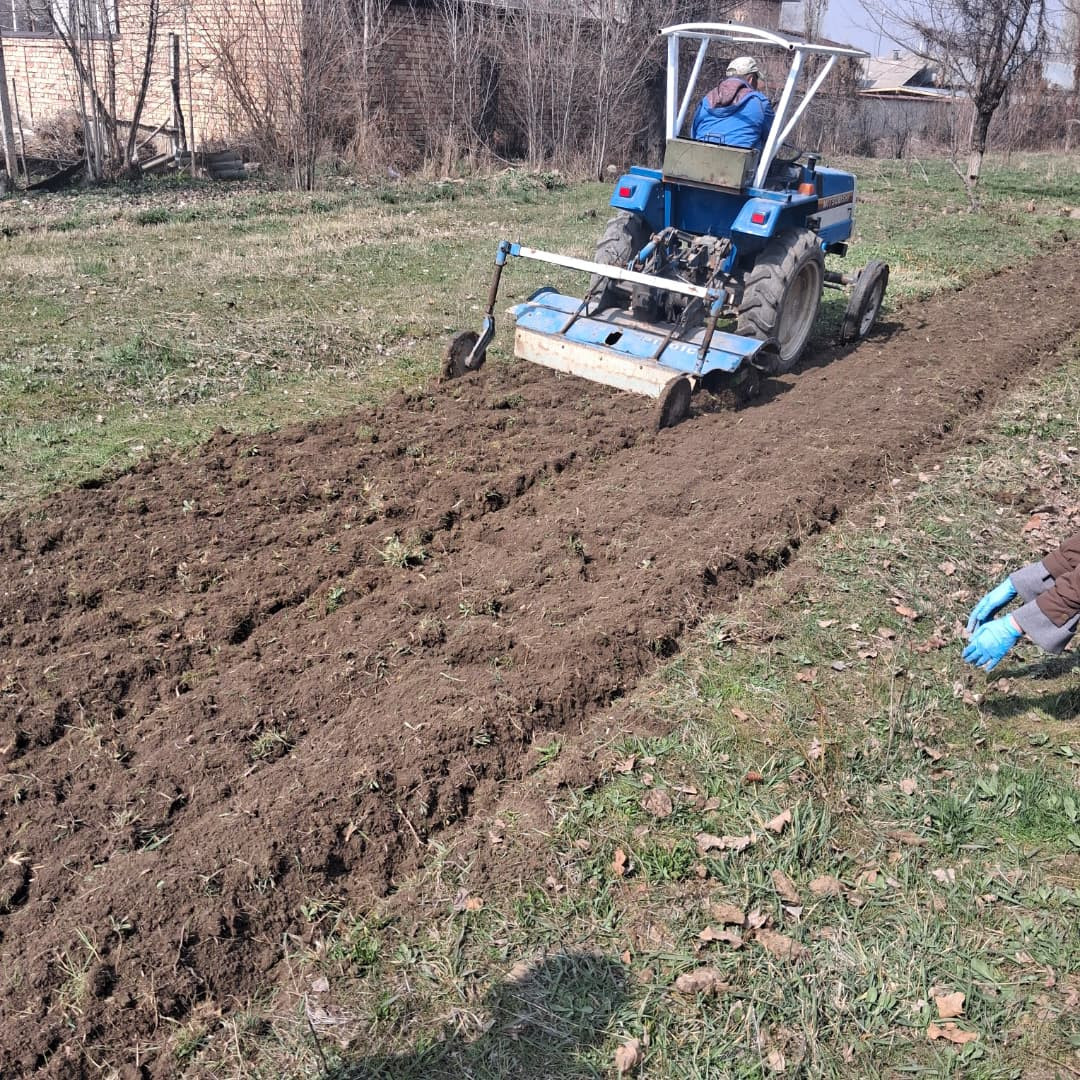
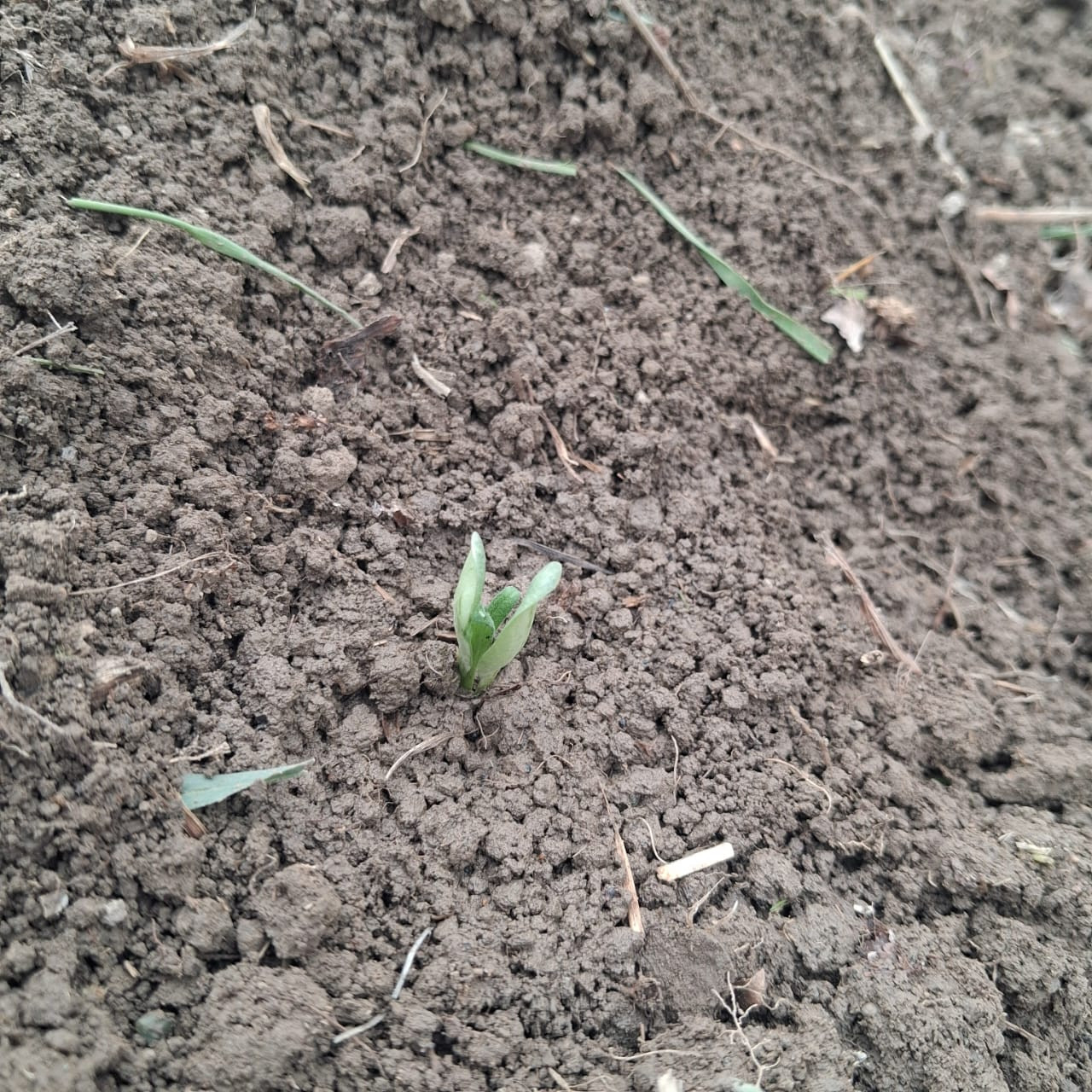
— It is not just about growing the plant, but about growing it on a scientific basis. We plant it in April and cultivate it until September. During this period, the biologically active substances in the plant reach their maximum level. The leaves are harvested according to specific standards, and an extract is obtained from them. Then, capsules are produced using pharmaceutical technology. We are using eight sotok of land allocated to the department from the university’s botanical garden. The seeds were brought from Uzbekistan and Russia. Currently, we have grown them indoors and prepared them as seedlings. We have recently prepared the land in the botanical garden and planted them. We planted half of the crop as seedlings and the other half as seeds.
— Will the product be able to compete in the market?
— Yes, because our main advantage is local production. The price will be affordable. In addition, since it is being produced in Kyrgyzstan for the first time, it will be a new product in the market. We are also considering various approaches for sales and distribution. The department has agreements with pharmaceutical companies, and we plan to introduce the product to the market through these partners. If everything goes according to plan, this small startup could grow into a large-scale production. We will not be limited to artichoke only. In the next stage, we aim to produce other biologically active supplements that are not currently manufactured in Kyrgyzstan.
— What are your personal scientific goals?
— I aim to scientifically validate natural products used in traditional medicine and introduce them into modern medicine. For example, I have been conducting research on sheep fat. In the future, I plan to develop it as a pharmaceutical product. This is because sheep fat has long been widely used in traditional medicine among our people.
— What advice would you give to young students?
— One should not be afraid of ideas. Sometimes even the simplest idea can turn into a big project. The most important things are effort and continuous learning. It is important to make full use of the opportunities provided by the university. This project is my contribution to science, my country, and the future. If it is successfully implemented, I believe it will make a significant contribution to the pharmaceutical sector in Kyrgyzstan.
Interviewed by Zinagul Nuralieva
Photogallery


Main Campus of OshSU, 331 Alymbek datka Street, Osh City, Kyrgyzstan. General Division: +996 3222 7-07-12, fax: +996 3222 7-09-15, edu@oshsu.kg
OshSU Admissions Committee: +996 3222 7-08-18, priem@oshsu.kgColleges
- International Education Programs
- Medical College
- Finance and Law
- Uzgen International Medicine
- STEM Innovation
- Industrial and Pedagogical
- College of Agriculture
- Construction College
Schools
- "Arashan" Humanitarian School
- Institute of Oriental Studies
- Institute of Mathematics, Physics, Engineering and Information Technologies
- Institute of Economy, Business and Management
- Institute of Philology and Intercultural Communication
- Institute of History and Law
- Institute of Pedagogy, Art and Journalism
- Institute of Natural Sciences, Physical Education, Tourism and Agrarian Technologies
- Institute of Nanotechnology and Artificial Intelligence
Lyceums and gymnasiums
Offices
- Administrative- household supporting office
- Business Park at Osh State University
- International Relations Department
- Department of Academic Affairs and Strategic Planning for Educational Policy Development
Centers
- Cultural and Aesthetic Center named after R. Adikadyrov
- Foundation of R.Abdykadyrov
- Public Relations Center
- Internship and Career Center
- OshSU Center for Qualification Improvement
- Next Generation Hub Center
- Congress Resort OshSu Center
- Natural Resources Center
- Mountain Ecosystem Protection and Green Innovations Consulting Center
- Center for Scientific Research and Innovation





Information© OshSU | Development © 2020 OshSU - IT Academy